
Month: June 2025

Oxidized Gold Ore Plays Key Role in Mining Innovation

Oxidized gold ore has emerged as a catalyst for innovation in the mining industry, playing a pivotal role in transforming traditional extraction techniques and paving the way for more sustainable and efficient operations. Unlike primary gold ore, oxidized gold ore forms through weathering processes that expose gold-bearing rocks to air and moisture over time, resulting in altered mineral compositions. These oxidized zones often contain gold in more accessible forms, such as within iron oxides or clay minerals, which can be processed with less energy-intensive and more environmentally friendly methods. This characteristic alone has encouraged mining companies to adopt innovative strategies for processing and recovery, ultimately increasing both profitability and environmental stewardship. One of the primary advantages of oxidized gold ore is its amenability to heap leaching, a low-cost and low-impact extraction technique. Heap leaching involves stacking ore in a heap and applying a leaching solution that dissolves the gold content, which is then collected and refined. This process is particularly effective with oxidized ores, which often contain lower concentrations of sulfides and other refractory minerals that complicate traditional cyanidation methods.

oxidized gold ore

By leveraging this compatibility, mining operations can reduce chemical usage, water consumption, and greenhouse gas emissions significant benefits in today’s climate-conscious world. Additionally, the scalability of heap leaching allows miners to efficiently process lower-grade ores that might otherwise be economically unviable, thus maximizing resource utilization. Innovation in processing technologies has also been driven by the specific challenges and opportunities posed by oxidized gold ore. For example, advancements in bioleaching using naturally occurring bacteria to assist in gold extraction are increasingly being tailored to work effectively with oxidized materials. These biotechnological methods offer a cleaner alternative to conventional processes and align with growing regulatory and social demands for greener mining practices. Furthermore, research into nanotechnology and microanalysis tools is enabling geologists and metallurgists to better characterize the mineralogy of oxidized zones, leading to more targeted and efficient recovery methods.

These innovations are not only improving recovery rates but also significantly lowering the environmental footprint of mining operations. JXSC oxidized gold ore also plays a strategic role in mine planning and life cycle extension. As high-grade, primary gold deposits become scarcer, many mining companies are turning to near-surface oxidized zones to maintain production levels. These zones often require less stripping and infrastructure investment, offering a quicker path to production and revenue. This has led to the development of hybrid mining operations that blend traditional underground mining with surface extraction of oxidized ores, enhancing flexibility and reducing operational risk. Moreover, the ability to process oxidized more efficiently allows companies to revisit and reevaluate previously mined sites, opening up opportunities for reclamation and secondary extraction.

Uncovering Hidden Vulnerabilities – The Role of Ethical Hacking in Cyber Defense

In today’s hyper-connected digital landscape, cyber threats are evolving at an unprecedented pace, making it critical for businesses and institutions to stay one step ahead of malicious actors. One of the most effective ways to accomplish this is through ethical hacking, a proactive and strategic approach to cyber defense. Ethical hacking, often referred to as penetration testing or white-hat hacking, involves authorized professionals simulating cyberattacks to uncover vulnerabilities in an organization’s systems, networks, or applications before real hackers can exploit them. By identifying and addressing these weaknesses, ethical hackers play a crucial role in fortifying digital infrastructures and enhancing overall cybersecurity. At the heart of ethical hacking is the concept of thinking like a hacker understanding how attackers operate, what tools they use, and how they search for weaknesses. This mindset allows ethical hackers to anticipate the moves of cybercriminals and expose hidden vulnerabilities that automated security tools might overlook. Unlike malicious hackers, ethical hackers operate within a defined scope and with the full consent of the organization.

Cyber Security

Their goal is not to exploit, but to protect. They provide detailed reports of their findings, often accompanied by practical recommendations that IT teams can implement to close security gaps and strengthen their defenses. One of the key advantages of ethical hacking is its ability to reveal not just technical vulnerabilities but also procedural and human-related risks. For example, ethical hackers might conduct social engineering tests to assess how easily employees might fall for phishing emails or impersonation attacks. They can also identify misconfigurations in firewalls, outdated software patches, or weak access controls that could serve as entry points for cybercriminals. By uncovering these issues, ethical hackers empower organizations to improve their security posture holistically addressing both technological and human factors. Moreover, ethical hacking supports regulatory compliance and builds trust with customers and stakeholders. Many industries such as finance, healthcare, and e-commerce are required to meet stringent cybersecurity standards. Ethical hacking helps organizations identify compliance gaps and avoid costly penalties by ensuring that their systems meet industry regulations.

Additionally, companies that regularly engage in ethical hacking demonstrate a commitment to cybersecurity, which can enhance their reputation and foster trust among clients and partners who are increasingly concerned about data privacy and security. In an era where data breaches can cost millions of dollars and irreparably damage brand reputation, ethical hacking emerges as a powerful ally in the fight against cybercrime. It transforms cyber defense from a reactive stance to a proactive strategy, allowing organizations to anticipate threats and neutralize them before harm is done. As cyberattacks become more sophisticated, relying solely on traditional defense mechanisms is no longer sufficient. Ethical hackers bring expertise, creativity, and a hacker’s perspective to security teams, making them invaluable assets in the modern cybersecurity ecosystem. Ultimately, Persian Hack service is not just about finding flaws it is about strengthening digital resilience and ensuring the integrity of systems that businesses and individuals rely on every day.

Superior Color Reproduction with Modern Rotogravure Printing Systems

Modern rotogravure printing systems are at the forefront of delivering superior color reproduction, making them the preferred choice for industries that demand high-quality visual impact, such as packaging, publishing, and decorative printing. These advanced machines utilize engraved cylinders and precision ink application techniques to produce sharp, vibrant, and consistent images across long production runs. The hallmark of rotogravure lies in its ability to maintain exceptional color accuracy and depth, even on challenging substrates like flexible films, paper, and foil. As a result, brands can rely on rotogravure printing to enhance the visual appeal of their products and stand out in competitive markets. One of the key advantages of modern rotogravure systems is their remarkable ability to reproduce a wide gamut of colors with impressive fidelity. The engraved cylinder technology allows for high-resolution image transfer, enabling detailed tonal gradations and subtle hues that are difficult to achieve with other printing methods. Whether it’s a rich red on a snack package or a delicate pastel on a cosmetic wrapper, rotogravure ensures each shade appears exactly as intended.

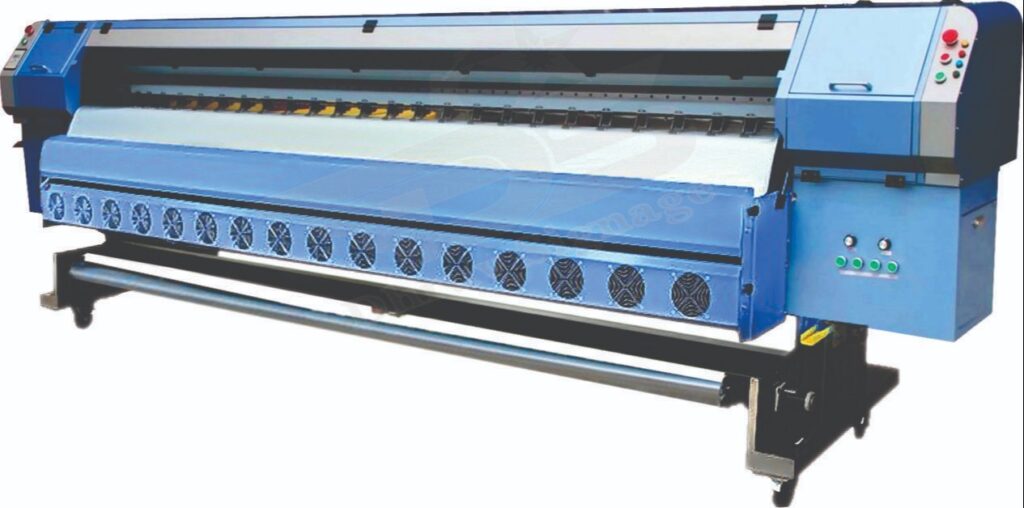
printing machine

Additionally, the use of solvent-based or water-based inks in rotogravure allows for excellent ink adhesion and fast drying, further enhancing the clarity and brilliance of printed images. With the latest innovations in ink formulation and drying systems, today’s rotogravure presses offer environmentally responsible solutions that don’t compromise on quality. Advanced drying technologies such as hot air or infrared systems help in preserving the vibrancy of the print while ensuring energy-efficient operation. Modern rotogravure printing machine also come equipped with automatic color control systems that monitor and adjust ink densities in real-time. This level of automation guarantees uniform color output from the first print to the last, reducing waste and ensuring customer satisfaction. Furthermore, the incorporation of computer-aided design and workflow integration tools has streamlined the prepress and setup processes, allowing for quicker job changes and minimal downtime without sacrificing print quality.

Another notable benefit of rotogravure printing is its long cylinder life, which is ideal for large-volume jobs that require repeated accuracy and consistent results. The durability of the engraved cylinders ensures that the same high-quality output can be maintained over millions of impressions. This not only lowers operational costs in the long run but also boosts productivity and reliability. In summary, superior color reproduction is a defining strength of modern rotogravure printing systems and visit here for kete packaging machine. With cutting-edge technologies, high-definition image capability, precise ink control, and environmentally friendly practices, rotogravure stands as a premier solution for businesses seeking brilliant, consistent, and impactful print results. Its ability to combine quality with efficiency makes it an invaluable asset in the world of high-volume commercial printing.