

Day: December 4, 2025

Creating A Smooth Care Routine That Supports Long Lasting Skin Clarity

Creating A Smooth Care Routine That Supports Long Lasting Skin Clarity

People try to keep their skin steady in many small ways. Some want a clean bright look before a busy day, and some just want their face to feel soft without doing too much. When planning all this, many people stop for a moment and think about how often should you get a hydrafacial because timing shapes how well the whole routine works. That simple thought becomes the base for choosing a pattern that actually fits their life.

Signs Your Skin Gives When It Needs A New Session

Skin rarely stays the same from week to week. Some days it looks calm, and some days it feels a little tired. These signals help people understand when to book their next session.

Common signs people notice:

  • A dull look even after washing
  • Pores appearing more clearly near the nose
  • Uneven texture on the cheeks
  • A heavier feel on the surface
  • Makeup settling unevenly through the day

These small hints guide the timing without making the routine feel strict.

Helpful Ways To Maintain Freshness Between Treatments

People often want their results to last, and simple habits help more than they expect. A calm routine keeps the skin balanced until the next appointment.

Useful habits include:

  • Washing with gentle cleansers
  • Drinking enough water on hot days
  • Avoiding very heavy creams
  • Letting the skin rest from makeup sometimes
  • Not trying too many new products at once

These soft steps support the skin even when life gets busy.

Showing How Timing Affects Skin Condition

Session Gap How The Skin May Feel Who Often Prefers It
Two Weeks Very clean, fresh, fewer clogged pores People with oily skin
Three Weeks Balanced, soft glow, mild buildup People with mixed skin
Four Weeks Calm, steady, suitable for mild routines People with dry or sensitive skin

Simple Usage Tips For Beauty Equipment At Home

Some people use home tools to support their skin between sessions. These devices help when treated with patience and gentle hands.

People usually follow steps like:

  • Cleaning the tool each time
  • Moving slowly across the face
  • Avoiding sensitive areas
  • Allowing the skin to settle after use
  • Keeping the sessions short and calm

These steps help the skin stay comfortable.

When To Rethink Your Routine For Better Comfort

Sometimes the skin acts differently. Weather changes, long work hours, or strong products can shift how the face behaves. When the skin stays bright for longer, people often extend their gap between sessions. When the skin turns dull sooner, they shorten it.

Many also begin exploring tools at home, and some find that using a hydrafacial machine between appointments helps them maintain a clean fresh look without feeling lost. It gives them more control over the routine and reduces confusion about timing.
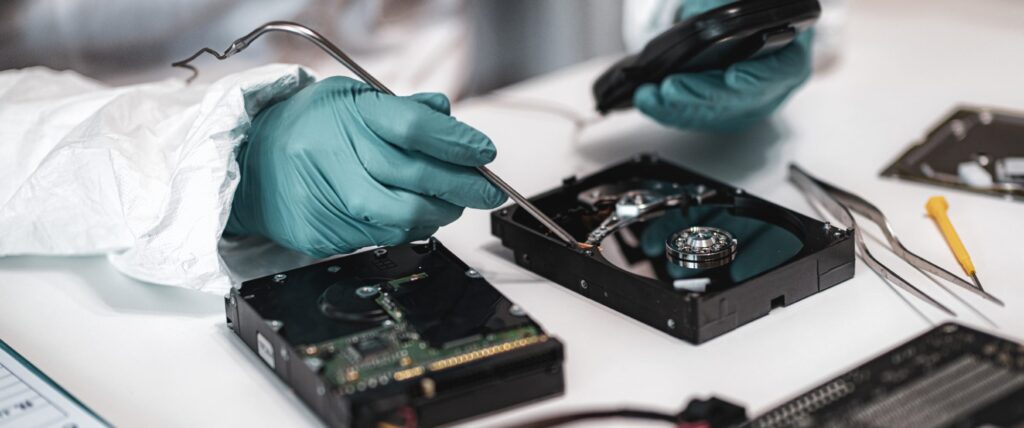
Computer Forensics Protects Personal Data and Sensitive Information Effectively

In the digital age, personal data and sensitive information are constantly at risk from cyberattacks, unauthorized access, and data breaches. Organizations and individuals alike must prioritize safeguarding this information to maintain privacy and trust. One of the most effective tools in this effort is computer forensics, a field that investigates, analyses, and recovers data to protect against cyber threats. Institutions such as Oxford have increasingly emphasized computer forensics in training programs to ensure a skilled workforce capable of addressing modern cybersecurity challenges.

Understanding Computer Forensics

Computer forensics is the process of identifying, preserving, analyzing, and presenting digital evidence. It is crucial in uncovering the source of cybercrimes, tracking unauthorized access, and preventing future breaches. By employing sophisticated tools and methodologies, computer forensics professionals can reconstruct events from compromised systems and ensure sensitive data remains protected.

Key components of computer forensics include:

  • Data Recovery: Restoring lost or corrupted information from digital devices.
  • Digital Investigation: Tracing cybercriminal activity to uncover the origin of security breaches.
  • Evidence Preservation: Ensuring that collected digital evidence maintains its integrity for legal or organizational purposes.

How Computer Forensics Protects Personal Data

Computer Forensics

Protecting personal data requires proactive and reactive strategies, both of which are reinforced by computer forensics:

  • Early Threat Detection: Computer forensics can identify vulnerabilities in systems and networks, allowing preventive measures before data is compromised.
  • Incident Response: During a cyberattack, forensic experts can analyze the breach to minimize damage and recover sensitive information.
  • Accountability and Legal Compliance: Many regulations mandate the protection of personal data. Forensic investigations provide documented evidence to demonstrate compliance with these standards.

By understanding how breaches occur, organizations can implement stronger security protocols. This approach not only safeguards personal information but also maintains consumer confidence and trust.

Benefits beyond Security

The impact of computer forensics extends beyond immediate data protection. Organizations benefit from:

  • Risk Mitigation: Identifying potential threats helps reduce the likelihood of future incidents.
  • Enhanced Cybersecurity Policies: Forensic insights inform better data handling and cybersecurity strategies.
  • Litigation Support: In cases of data theft or misuse, computer forensics provides the necessary evidence for legal proceedings.

Conclusion

In an era where digital threats are constantly evolving, computer forensics serves as a crucial defense mechanism to protect personal data and sensitive information effectively. Institutions such as Oxford are playing a vital role in developing expertise in this field, ensuring that professionals are equipped to safeguard digital assets. By leveraging forensic techniques, organizations and individuals can stay ahead of cybercriminals, maintain privacy, and strengthen trust in their digital operations.