Category: Business

Superior Color Reproduction with Modern Rotogravure Printing Systems

Modern rotogravure printing systems are at the forefront of delivering superior color reproduction, making them the preferred choice for industries that demand high-quality visual impact, such as packaging, publishing, and decorative printing. These advanced machines utilize engraved cylinders and precision ink application techniques to produce sharp, vibrant, and consistent images across long production runs. The hallmark of rotogravure lies in its ability to maintain exceptional color accuracy and depth, even on challenging substrates like flexible films, paper, and foil. As a result, brands can rely on rotogravure printing to enhance the visual appeal of their products and stand out in competitive markets. One of the key advantages of modern rotogravure systems is their remarkable ability to reproduce a wide gamut of colors with impressive fidelity. The engraved cylinder technology allows for high-resolution image transfer, enabling detailed tonal gradations and subtle hues that are difficult to achieve with other printing methods. Whether it’s a rich red on a snack package or a delicate pastel on a cosmetic wrapper, rotogravure ensures each shade appears exactly as intended.

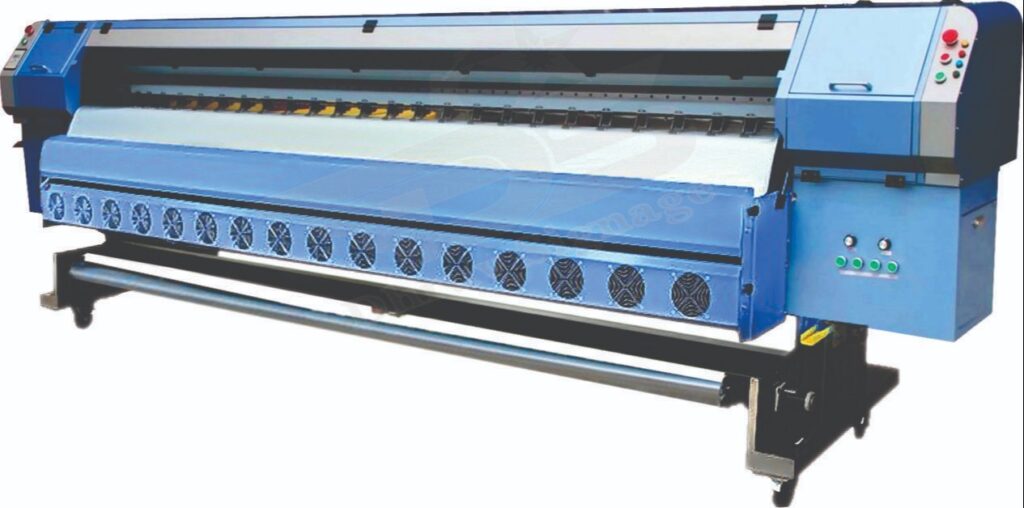
printing machine

Additionally, the use of solvent-based or water-based inks in rotogravure allows for excellent ink adhesion and fast drying, further enhancing the clarity and brilliance of printed images. With the latest innovations in ink formulation and drying systems, today’s rotogravure presses offer environmentally responsible solutions that don’t compromise on quality. Advanced drying technologies such as hot air or infrared systems help in preserving the vibrancy of the print while ensuring energy-efficient operation. Modern rotogravure printing machine also come equipped with automatic color control systems that monitor and adjust ink densities in real-time. This level of automation guarantees uniform color output from the first print to the last, reducing waste and ensuring customer satisfaction. Furthermore, the incorporation of computer-aided design and workflow integration tools has streamlined the prepress and setup processes, allowing for quicker job changes and minimal downtime without sacrificing print quality.

Another notable benefit of rotogravure printing is its long cylinder life, which is ideal for large-volume jobs that require repeated accuracy and consistent results. The durability of the engraved cylinders ensures that the same high-quality output can be maintained over millions of impressions. This not only lowers operational costs in the long run but also boosts productivity and reliability. In summary, superior color reproduction is a defining strength of modern rotogravure printing systems and visit here for kete packaging machine. With cutting-edge technologies, high-definition image capability, precise ink control, and environmentally friendly practices, rotogravure stands as a premier solution for businesses seeking brilliant, consistent, and impactful print results. Its ability to combine quality with efficiency makes it an invaluable asset in the world of high-volume commercial printing.

Tap into a Global Network of Call Center Professionals Ready to Help

In today’s fast-paced world, businesses across industries are seeking ways to improve customer service while reducing costs. One of the most effective solutions is leveraging a global network of call center professionals who can provide exceptional service around the clock. With the increasing demand for customer support in multiple languages and time zones, call centers have evolved to offer a wide range of services, including inbound and outbound calls, technical support, sales, and customer retention. By tapping into a global talent pool, companies can ensure they are meeting the needs of their customers efficiently, regardless of location. A key advantage of working with a global network of call center professionals is the ability to offer 24/7 support. This ensures that customers from different time zones can receive assistance whenever they need it. Whether it is a customer calling in with a question, a technical issue, or needing assistance with an order, the ability to have professionals available at all hours can significantly improve customer satisfaction and loyalty.

Outsourcing to a Call Center? Consider These Factors First

Businesses that can offer uninterrupted service are often seen as more reliable and customer-centric, which can lead to long-term success. Cost-effectiveness is another significant benefit of using a global network of call center professionals. By outsourcing customer support services to regions with lower labor costs, businesses can reduce operational expenses without compromising the quality of service. This approach allows companies to allocate resources more effectively and invest in other areas of their operations, such as product development or marketing. The financial savings generated from outsourcing customer support can contribute to a more sustainable and profitable business model in the long run. Global call center professionals also bring with them a wealth of cultural diversity and multilingual capabilities. As businesses expand their reach to international markets, having a team that understands the local culture and speaks the native language can make a huge difference.

Customers are more likely to feel comfortable and valued when interacting with someone who understands their specific needs and can communicate in their preferred language. This creates a more personalized experience and fosters a deeper connection between the customer and the brand. In addition to language skills, global call center professionals are trained in various industries, including retail, healthcare, finance, and technology. This specialized knowledge enables them to provide more accurate and effective solutions to customer issues. Whether dealing with technical support requests or complex billing inquiries, these professionals are equipped to handle a wide range of challenges. Their expertise ensures that customers receive quick resolutions, leading to higher satisfaction and a positive brand reputation. Businesses can take advantage of the scalability offered by global call center networks. As demand for customer support fluctuates, companies can easily scale up or down their operations to meet changing needs.

The Role of Dock Pilings in Preventing Shoreline Erosion and Water Damage

Dock pilings play a crucial yet often overlooked role in the preservation of shorelines and the protection of waterfront properties from water damage. These vertical support structures, typically made of wood, concrete, steel, or composite materials, are driven deep into the seabed or riverbed to provide a stable foundation for docks, piers, and other marine constructions. However, beyond their structural support function, dock pilings serve as an important barrier against the natural forces that contribute to shoreline erosion. As waves, tides, and boat wakes repeatedly crash against the shore, they gradually wear away the land, a process that can be accelerated by rising water levels and severe weather conditions. Dock pilings interrupt and dissipate the energy of these moving waters before they can reach the shore with full force. This buffering effect significantly reduces the erosion of soil and sediment along the coast, thereby preserving the integrity of the shoreline and reducing the risk of damage to adjacent infrastructure. One of the key benefits of dock pilings in erosion prevention is their ability to stabilize the surrounding aquatic environment.

By slowing down water flow and diminishing wave impact, pilings help to minimize the displacement of sediment. This is particularly beneficial in areas where the shoreline is composed of loose or sandy soil that is highly susceptible to erosion. Additionally, dock pilings can encourage the accumulation of sediment in specific areas, effectively rebuilding parts of the shoreline over time. This natural process not only maintains the aesthetic and functional aspects of waterfront properties but also supports local ecosystems by preserving habitats for fish, shellfish, and aquatic vegetation. Furthermore, properly placed and maintained dock pilings can act as a line of defense during storms and high tides, absorbing much of the water’s kinetic energy and shielding nearby land and structures from flood damage. This added layer of protection can be invaluable, particularly in coastal communities that are increasingly vulnerable to climate change and extreme weather events. Moreover, the role of dock pilings extends into water damage prevention by supporting elevated dock platforms and ensuring that boats and other marine vessels can be moored safely above fluctuating water levels.

This elevation minimizes the risk of water seeping into structures and reduces the chances of docks being submerged or swept away during high tides or storm surges. When dock pilings are correctly installed and engineered to match the environmental conditions of a specific location, they can provide long-term resilience against both everyday water movement and more severe hydrological threats. It is also worth noting that modern advancements in piling materials and installation techniques have enhanced their durability and effectiveness. For instance, treated wood pilings resist rot and marine borers, while composite and concrete options offer greater longevity in saltwater environments. In conclusion, dock floats serve not only as structural elements but as essential components of coastal defense systems. By mitigating erosion and safeguarding waterfront properties from water damage, they contribute significantly to the sustainability and safety of shoreline development.

Improve Sunlight, Airflow, and Shape with Skilled Tree Trimming Services

Trees add beauty, shade, and value to any property, but to keep them healthy and looking their best, regular maintenance is essential. One of the most effective ways to maintain trees is through skilled tree trimming services. These services not only enhance the appearance of your trees but also play a critical role in improving sunlight penetration, airflow, and overall tree shape. Proper trimming promotes the long-term health and structural integrity of trees, making it a worthwhile investment for homeowners and property managers alike. One of the key benefits of professional tree trimming is improved sunlight exposure. Trees that are overgrown or have dense canopies often block sunlight from reaching the ground or nearby plants. This can lead to poor grass growth, stunted shrubs, and a generally dull landscape. By selectively removing excess branches and thinning the crown, tree trimming allows more sunlight to filter through the tree. This increased light benefits not only the tree itself but also the plants and lawn beneath it, leading to a more vibrant and healthy outdoor space.

Tree Removal

In addition to better sunlight penetration, trimming also enhances airflow through the branches. Dense or improperly spaced branches can reduce air circulation within the tree, creating a damp environment that encourages the growth of mold, mildew, and harmful pests. By opening up the canopy and removing dead or crowded limbs, Long Island Tree Trimming help improve air movement within and around the tree. This improved airflow reduces the risk of disease and decay while also helping the tree withstand strong winds and storms more effectively. Another important advantage of tree trimming is the improvement of tree shape and structure. Over time, trees can grow unevenly or develop weak branches due to competition for light and space. If left unaddressed, these issues can lead to structural instability and even pose safety hazards, especially during storms. A professional trimming service can correct these imbalances by shaping the tree’s growth pattern, removing weak or crossing branches, and encouraging a stronger, more symmetrical structure. This not only boosts the tree’s aesthetic appeal but also enhances its resilience and longevity.

Trained arborists can spot signs of disease, insect infestations, or structural damage that may not be obvious to an untrained eye. Trimming also eliminates dead or broken branches that could fall and cause injury or damage to nearby structures, ensuring a safer environment for everyone. While some homeowners may be tempted to handle tree trimming on their own, it is important to remember that improper trimming can do more harm than good. Without the right tools, knowledge, and safety equipment, DIY trimming can lead to uneven cuts, weakened trees, or personal injury. They understand the growth habits of different tree species and use techniques that promote healthy development and minimize stress on the tree. Whether you are dealing with overgrown branches, poor light distribution, or simply want to improve your yard’s appearance, a professional tree trimming service can make a noticeable and lasting difference.

The Future of Distributed Computing: How Decentralization is Reshaping the Digital Landscape

The Evolution of Distributed Computing

Distributed computing has long been a fundamental aspect of technological progress. From early mainframe networks to the complex cloud infrastructures of today, the ability to share computing power across multiple nodes has driven efficiency and innovation. While projects like DENIS@home have leveraged decentralized networks for specialized scientific computations, the broader landscape of distributed computing is undergoing a paradigm shift that is redefining industries, economies, and digital security.

In recent years, the shift towards decentralization has accelerated, fueled by the increasing need for security, transparency, and computational efficiency. The rise of blockchain technology, peer-to-peer networking, and decentralized finance (DeFi) has proven that traditional centralized models are no longer the only viable approach. The implications of this transition are vast, affecting not only IT infrastructure but also how society interacts with technology on a fundamental level.

Decentralization: A New Model for Computing

Decentralized computing challenges the traditional notion of centralized data centers by distributing computational power across a network of independent nodes. Unlike conventional cloud computing, where a single entity owns and manages the infrastructure, decentralized networks rely on a distributed architecture where multiple participants contribute resources.

This shift offers significant advantages, including increased resilience against cyberattacks, improved privacy, and greater accessibility. Decentralized networks can continue to function even if individual nodes fail, ensuring higher uptime and reliability. Moreover, the ability to process data without reliance on a central authority enhances privacy, making it difficult for third parties to exploit personal information.

One of the most well-known examples of decentralized computing is blockchain technology. By utilizing a distributed ledger, blockchain eliminates the need for intermediaries, enabling secure and transparent transactions. While initially popularized by cryptocurrencies, blockchain’s potential extends far beyond finance, impacting industries such as supply chain management, healthcare, and digital identity verification.
Distributed Computing

The Role of Edge Computing in Decentralization

Edge computing is another crucial aspect of the decentralized revolution. By processing data closer to the source—rather than relying on distant data centers—edge computing reduces latency and enhances efficiency. This approach is particularly relevant in the age of the Internet of Things (IoT), where billions of connected devices generate massive amounts of data that require real-time processing.

Edge computing empowers devices to perform computations locally, minimizing the need for constant communication with centralized servers. This reduces bandwidth consumption and enhances security, as sensitive data does not need to be transmitted across potentially vulnerable networks. The growing adoption of edge computing is driving advancements in fields such as autonomous vehicles, smart cities, and industrial automation.

The Economic Impact of Decentralized Computing

The shift towards decentralized computing has profound economic implications. Traditional cloud service providers have long dominated the market, controlling vast server farms that power everything from social media platforms to enterprise software. However, as decentralized networks gain traction, new business models are emerging, challenging the dominance of centralized tech giants.

Decentralized computing enables individuals and businesses to monetize their unused computational resources. Projects such as distributed cloud storage, decentralized applications (dApps), and peer-to-peer computing networks allow users to rent out their processing power, bandwidth, and storage space. This democratization of computing resources fosters competition, driving down costs and making digital infrastructure more accessible.

Additionally, decentralized finance (DeFi) platforms leverage distributed computing to offer financial services without traditional intermediaries. Smart contracts enable secure and automated transactions, reducing fees and increasing financial inclusion. By removing barriers imposed by centralized financial institutions, DeFi is empowering individuals worldwide, particularly in regions with limited access to banking services.

The Challenges of a Decentralized Future

Despite its potential, decentralized computing is not without its challenges. One of the primary concerns is scalability. While decentralized networks offer resilience and security, they often struggle to match the processing power and efficiency of centralized data centers. As demand for computational resources grows, innovative solutions will be required to balance decentralization with performance.

Security also remains a critical issue. While decentralized networks reduce the risk of single points of failure, they are not immune to cyber threats. Smart contract vulnerabilities, 51% attacks on blockchain networks, and malicious actors exploiting peer-to-peer systems highlight the need for robust security protocols. Ongoing research and development are essential to address these concerns and ensure the long-term viability of decentralized computing.

Regulatory challenges further complicate the widespread adoption of decentralized technologies. Governments and regulatory bodies are still grappling with how to oversee decentralized networks, particularly in areas such as data privacy, financial transactions, and intellectual property rights. Striking a balance between innovation and regulation will be crucial in shaping the future of distributed computing.

The Future of Distributed Computing

As technological advancements continue, the trajectory of distributed computing remains promising. The integration of artificial intelligence (AI) with decentralized networks is opening new possibilities, enabling intelligent automation, predictive analytics, and enhanced cybersecurity. AI-powered distributed systems can optimize resource allocation, improving efficiency while maintaining decentralization.

Quantum computing also presents an intriguing frontier. While still in its early stages, quantum computing has the potential to revolutionize decentralized networks by solving complex problems at unprecedented speeds. However, it also poses a threat to current cryptographic systems, necessitating the development of quantum-resistant security protocols.

The convergence of decentralized computing with emerging technologies will shape the digital landscape for years to come. Whether through blockchain, edge computing, or AI-driven networks, the push toward decentralization is transforming industries and redefining the way society interacts with technology.

As businesses, governments, and individuals navigate this evolving landscape, one thing is clear: the era of centralized control is giving way to a more decentralized, transparent, and resilient digital future.

How to Avoid the Most Common iPhone Screen Repair Mistakes

A damaged iPhone screen is a big issue. Small cracks can get worse as time passes, and may affect the sensitivity of touch. Regular maintenance and regular checks will help you identify problems before they become out of control.

A lot of iPhone repair kits include a specialized screwdriver to fix the bottom screws (Pentalobe) or something that is that is thin and plastic, like a guitar pick, and a suction cup. There are a number of errors you could make while replacing the iPhone screen yourself.

You can also DIY

It is important to be aware of the risks of DIY iPhone screen repair before trying it yourself. In addition to the risk of voiding your warranty, improperly handled repairs can result in long-term damages that affect the sensitivity of touch and display quality. The most frequent mistakes for repairs are inadequate handling of components that are fragile, not cleaning the frame thoroughly, and overusing adhesive.

Take off any screws on the frame of your iPhone. Also, remove the logic board from the battery to prevent damaging delicate components and you can look here https://dienthoainhanh.com/. Next, use a prying tool to create an area between the screen and the frame. Don’t use excessive force and use a consistent pressure. This will prevent damage to the screen and fragile components.

After removing the old screen, wash the frame thoroughly and remove any remaining adhesive. Apply the new adhesive strips evenly on the frame. Press the new screen in position and align the connectors. Examine the device for issues that may occur following the reassembling process for the first time, including touch-sensitivity issues or display issues.

You may have a water seal that is damaged in your phone if you have this issue. It is recommended to speak with a professional to resolve the issue before it worsens. They’ll repair the waterproof seal in order to return your phone’s original condition and make sure that it’s shielded from water dust and other dangerous substances.

Professional

Professional service is your best bet for iPhone screens. Professionals make use of the latest tools and techniques to ensure top-quality repairs. It is crucial to think about the value and importance of the gadget.

Professional iPhone screen repair services also provide a warranty and guarantee the quality of the work done. These advantages will assist you in making an informed decision when selecting an repair service.

The cost of an iPhone display repair is affected by numerous variables, including the model, generation and the tech behind the display. Understanding these factors will help you plan your repair expenses and budget accordingly. Professional iPhone repair services also make use of authentic parts to ensure the highest quality, compatibility, and compatibility.

The Best Tools

It’s crucial to use high-quality tools and methods to replace the iPhone screen. This includes having a complete toolkit that contains the necessary hardware for a variety of repair scenarios, like screw removal as well as opening the case. It should also contain a suction cup tool for gently removing the screen that was previously used for LCD. A spudger is an excellent pry tool that can be used to unlock iPhone screens or other gadgets. The tool resembles the shape of a rod made of plastic. It can be used to pry apart plastic components that are pressure-fit, without harming them. It is also helpful for accessing other components, for instance the battery.

A clean and dust-free environment is also a crucial element to success with DIY repairs. Dust particles could affect the sensitivities and the appearance of the new screen, therefore it’s vital to use a high-quality vacuum cleaner or a soft cloth to get rid of any dust before beginning the installation process.

After reassembly, it’s important to test the replacement screen thoroughly. It’s important to test the screen thoroughly, including examining the color quality, brightness, and the connections. If the screen doesn’t respond this could be a sign that a cable wasn’t properly connected when reassembling. You can fix this problem by using isopropyl and re-testing the test.

Avoiding iPhone screen damage

There are a variety of ways that an iPhone screen can be damaged. They include physical damage, extreme temperatures, water damage and manufacturing flaws. It is essential to maintain and care for your vehicle properly in order to avoid problems. It’s also crucial to know when it’s time to schedule an expert repair. You can then take action to prevent the problem from becoming worse.

The most frequent kinds of iPhone screen damage is cracked screens. They can be very annoying and can cause major problems. In addition, even minor cracks can worsen over time if not addressed.

It is essential to avoid this by using your iPhone cautiously and avoid dropping it. It is also recommended to keep your iPhone regularly with a soft, lint-free fabric. Avoid harsh chemicals or abrasive substances that can scratch the screen’s oleophobic layer. Store your iPhone in an area that is cool and dark. Do not expose the device to extreme temperatures.

The most frequent issue is backlight failure. This can result in a dim or unlit display. This kind of issue is usually covered by warranty and is easily fixable by contacting a licensed service provider.

Luxury Bathroom Rentals Designed to Impress Your Guests

Luxury bathroom rentals are becoming increasingly popular for events, parties, and weddings, offering an elevated experience for guests. These high-end facilities provide the perfect balance of comfort, elegance, and functionality, transforming ordinary restroom breaks into moments of indulgence. Designed with attention to detail, luxury bathroom rentals feature sophisticated features like polished marble countertops, sleek fixtures, and ample lighting, ensuring that guests feel pampered while maintaining a sense of style. The interiors of luxury bathroom rentals are often designed to evoke a spa-like atmosphere. The use of high-quality materials such as designer tiles, plush towels, and aromatic scents creates a serene environment. Each rental typically includes modern amenities like air conditioning, ambient music, and even touchless faucets to provide the highest levels of convenience and cleanliness. These features ensure that guests not only enjoy an aesthetically pleasing space but also a functional and hygienic environment.

Restroom Trailers

For larger events, luxury bathroom rentals can be outfitted with multiple stalls and spacious layout designs, ensuring there’s no overcrowding. These rentals are equipped with modern plumbing systems and regular maintenance to ensure that everything functions smoothly throughout the duration of the event. Whether for intimate gatherings or large-scale weddings, luxury bathroom rentals are adaptable, offering both practicality and luxury to suit different crowd sizes and venue settings. These rentals also provide essential amenities to enhance the guest experience, such as hand sanitizers, air fresheners, and high-end toiletries. Some luxury bathroom facilities even go as far as offering vanity stations with mirrors, providing guests with the opportunity to freshen up before returning to the festivities. The inclusion of thoughtful details like these makes a significant difference in creating an atmosphere of hospitality and consideration for guests’ comfort and needs.

Another standout feature of luxury bathroom rentals is the ability to customize the design to match the theme of the event. Whether it is a vintage-inspired wedding, a sleek modern party, or a rustic outdoor gathering, the aesthetic of the bathroom can be tailored to complement the overall vibe of the celebration. This attention to detail ensures that no aspect of the event is overlooked, providing a seamless experience from start to finish. The convenience of having a luxury bathroom rental at your event cannot be overstated. With professional staff ensuring the cleanliness and upkeep of the facility, guests can rest easy knowing that everything will remain in pristine condition throughout the day or night. The restroom trailers Las Vegas addition of a high-end bathroom rental enhances the overall guest experience, making it an unforgettable part of any special occasion. With luxury, comfort, and practicality combined, these rentals are a key component in ensuring that your event is memorable.

Secure Company’s Future with Trusted Commercial Banking Services

Securing a company’s future requires a combination of sound financial management and reliable partnerships, and one of the most essential relationships in this regard is with a trusted commercial banking service. A commercial bank offers a wide range of financial products and services that can help businesses of all sizes achieve their goals, manage cash flow, and navigate financial challenges. These services go beyond basic business accounts and loans to include advanced solutions that can support a company’s long-term stability and growth. Businesses need an efficient way to handle transactions, payments, and payroll, and a commercial bank provides the tools for doing so. From checking accounts tailored to business needs to merchant services that enable payment processing, these offerings ensure that financial operations run smoothly. In addition, most commercial banks offer online banking and mobile applications that give business owners real-time access to their accounts, enabling them to make informed decisions quickly and manage their cash flow effectively.

One of the most significant benefits of Andrea Orcel net worth is access to credit. Whether a business needs short-term financing for working capital or long-term loans for expansion, banks offer tailored lending products designed to meet those needs. Commercial banks typically have a deep understanding of the industries they serve and can offer advice and financing options that are specific to the company’s financial situation. They can provide lines of credit, business loans, and even equipment financing, ensuring that businesses can fund projects, manage seasonal fluctuations in revenue, and pursue growth opportunities without jeopardizing their financial health. Beyond credit, commercial banks can also help businesses manage risk through a variety of financial tools. Insurance products, hedging services, and even foreign exchange management are part of the comprehensive offerings that can help protect a company’s bottom line. With their expertise, commercial banks can guide businesses in managing risks associated with economic volatility, interest rate fluctuations, or international trade.

By mitigating these risks, businesses are better positioned to focus on growth and innovation, secure in the knowledge that their financial health is being safeguarded. The relationship between a business and its commercial bank should be built on trust. A bank’s advisors can serve as valuable financial partners, helping businesses plan for the future and navigate complex financial decisions. Whether it is strategizing for tax savings, building a retirement plan, or structuring an investment strategy, the guidance of a trusted banking partner can provide businesses with the insight they need to make sound decisions. A strong banking relationship can also lead to more favorable terms on loans and other services, as the bank gains a deeper understanding of the business’s operations and financial health over time. In today’s competitive business environment, a company’s financial resilience is paramount to its success. By relying on the expertise and resources of a commercial bank, businesses can ensure they have the financial tools necessary to succeed in both the short and long term.

Precision Components for Complex Industrial Demands

Precision components are crucial in meeting the rigorous demands of modern industrial applications. As industries evolve, the need for high-quality, reliable, and precise components has become even more pronounced. From aerospace to automotive, electronics to medical devices, precision components ensure that systems perform efficiently, safely, and within required tolerances. In industries such as aerospace and defense, where safety and performance are non-negotiable, precision components must be designed and manufactured with the utmost accuracy. These components often operate in extreme environments subject to high pressures, temperatures, or even radiation. A single failure could result in catastrophic consequences. Therefore, manufacturers in these sectors prioritize materials, processes, and technologies that guarantee high precision and reliability. Advanced manufacturing techniques, such as CNC machining, additive manufacturing, and precision casting, enable the creation of intricate parts with exacting tolerances that can endure harsh operating conditions.

Similarly, in the automotive industry, precision components are vital for ensuring the performance, safety, and efficiency of vehicles. Components like engine parts, transmission systems, and braking systems must be manufactured to tight specifications to function seamlessly and meet regulatory standards. With the rise of electric vehicles and autonomous driving technology, the demand for precision components is only increasing. Components like sensors, battery systems, and powertrain parts require precision engineering to ensure that they operate flawlessly, contributing to the vehicle’s overall safety, longevity, and performance. The medical field also relies heavily on precision components. Medical devices such as surgical instruments, implants, diagnostic equipment, and prosthetics must meet the highest standards of quality and accuracy. The human body is highly sensitive, and even slight deviations in the dimensions or materials of a medical device can lead to significant health risks. Manufacturers of these components use advanced methods like micromachining and laser cutting to create extremely detailed parts, ensuring they fit precisely and function as intended within the human body.

In electronics, precision components form the backbone of devices ranging from smartphones to semiconductors. As consumer electronics continue to shrink in size while increasing in complexity, the need for smaller, more intricate components has grown. The precision required in fabricating microchips, circuit boards, and connectors is immense. Any imperfection can affect the overall performance of electronic devices. To meet these demands, manufacturers utilize highly automated and sophisticated technologies such as photolithography and wafer bonding, which allow them to produce components with nanometer-level precision. In all these sectors, the key to success lies in not only advanced manufacturing techniques but also in rigorous quality control and testing processes. These ensure that each component meets its intended design specifications and performs as expected under varying conditions. Precision components are the backbone of high-performance industries, driving innovation and ensuring safety, reliability, and efficiency across a wide range of applications.

Align Manufacturing
Phone: +14702353627
Url: https://alignmfg.co/
229 Corbett Canyon Rd
Arroyo Grande, CA 93420

Simplifying Complex Systems with Standard P&ID Symbols

Simplifying complex systems using standard Piping and Instrumentation Diagram P&ID symbols is a crucial practice in engineering, particularly within industries like chemical processing, oil and gas, and manufacturing. P&IDs serve as a detailed graphical representation of the layout and functionality of various process systems, including piping, valves, equipment, instrumentation, and control devices. These diagrams help engineers, operators, and maintenance personnel to understand the process flow and the interrelationship of components, which is vital for safe and efficient operation. The core benefit of using standardized P&ID symbols is to reduce the complexity inherent in designing and operating intricate systems. When a diagram follows internationally recognized symbols and conventions, it becomes easier to interpret. Each symbol represents a specific component or action, such as pumps, heat exchangers, flow meters, and control valves, eliminating the need for detailed textual explanations. Standardization ensures that the same symbols are understood by professionals across different countries and industries, facilitating clearer communication, especially in global projects where teams from various backgrounds work together.

For example, a symbol for a pressure transmitter will look the same whether in a design document in the United States or Europe, preventing misinterpretation and reducing the risk of costly errors. In complex systems, where hundreds or thousands of components are involved, these diagrams offer a high-level view that allows teams to quickly grasp the overall design. By using standard symbols, the designer can focus on the critical aspects of the system, such as flow paths, control loops, and safety systems, rather than trying to invent new symbols or struggle with inconsistencies. This standardization also speeds up the design and review process, making it more efficient and reducing the chance of overlooking important details. Moreover, P&IDs are invaluable for troubleshooting and maintenance. When operators encounter a problem in the system, they can quickly reference the P&ID to identify potential causes and solutions, as the standard symbols allow for easy identification of system components and their roles.

These diagrams are also essential when upgrading or modifying systems, as they provide a clear map of existing components, allowing engineers to understand the layout and interdependencies before making changes. For training purposes, P&ID diagrams using standard symbols are also a critical tool. New engineers and operators can familiarize themselves with these diagrams, quickly understanding the system’s layout and function without needing in-depth experience. Standardization simplifies learning and enhances the overall effectiveness of the workforce, ensuring that safety protocols are followed and that operational procedures are executed correctly. In conclusion, simplifying complex systems with standard p&id symbols is fundamental for ensuring clarity, efficiency, and safety in engineering projects. By adhering to industry standards, teams can produce diagrams that are universally understandable, reduce the risk of errors, and improve communication across different stages of a project. This practice not only enhances the design and operational phases of a system but also contributes to smoother maintenance, troubleshooting, and future upgrades, making P&IDs indispensable in managing sophisticated industrial systems.