Computer Forensics Protects Personal Data and Sensitive Information Effectively
In the digital age, personal data and sensitive information are constantly at risk from cyberattacks, unauthorized access, and data breaches. Organizations and individuals alike must prioritize safeguarding this information to maintain privacy and trust. One of the most effective tools in this effort is computer forensics, a field that investigates, analyses, and recovers data to protect against cyber threats. Institutions such as Oxford have increasingly emphasized computer forensics in training programs to ensure a skilled workforce capable of addressing modern cybersecurity challenges.
Understanding Computer Forensics
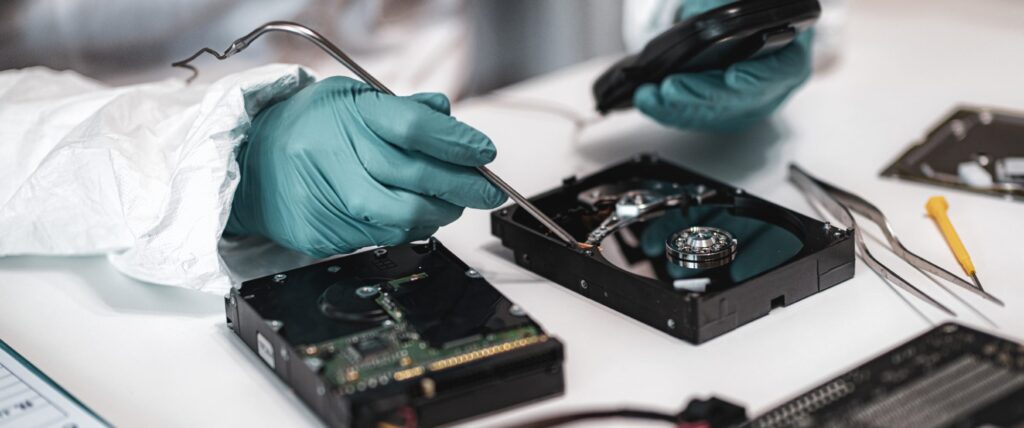
Computer forensics is the process of identifying, preserving, analyzing, and presenting digital evidence. It is crucial in uncovering the source of cybercrimes, tracking unauthorized access, and preventing future breaches. By employing sophisticated tools and methodologies, computer forensics professionals can reconstruct events from compromised systems and ensure sensitive data remains protected.
Key components of computer forensics include:
- Data Recovery: Restoring lost or corrupted information from digital devices.
- Digital Investigation: Tracing cybercriminal activity to uncover the origin of security breaches.
- Evidence Preservation: Ensuring that collected digital evidence maintains its integrity for legal or organizational purposes.
How Computer Forensics Protects Personal Data
Protecting personal data requires proactive and reactive strategies, both of which are reinforced by computer forensics:
- Early Threat Detection: Computer forensics can identify vulnerabilities in systems and networks, allowing preventive measures before data is compromised.
- Incident Response: During a cyberattack, forensic experts can analyze the breach to minimize damage and recover sensitive information.
- Accountability and Legal Compliance: Many regulations mandate the protection of personal data. Forensic investigations provide documented evidence to demonstrate compliance with these standards.
By understanding how breaches occur, organizations can implement stronger security protocols. This approach not only safeguards personal information but also maintains consumer confidence and trust.
Benefits beyond Security
The impact of computer forensics extends beyond immediate data protection. Organizations benefit from:
- Risk Mitigation: Identifying potential threats helps reduce the likelihood of future incidents.
- Enhanced Cybersecurity Policies: Forensic insights inform better data handling and cybersecurity strategies.
- Litigation Support: In cases of data theft or misuse, computer forensics provides the necessary evidence for legal proceedings.
Conclusion
In an era where digital threats are constantly evolving, computer forensics serves as a crucial defense mechanism to protect personal data and sensitive information effectively. Institutions such as Oxford are playing a vital role in developing expertise in this field, ensuring that professionals are equipped to safeguard digital assets. By leveraging forensic techniques, organizations and individuals can stay ahead of cybercriminals, maintain privacy, and strengthen trust in their digital operations.