
Best Practices for Handling Cuts without Surgical Closure
Minor cuts can often heal successfully with proper care and attention. Using safe and simple first aid methods helps support natural healing while reducing discomfort. Knowing how to manage small wounds at home can also encourage faster recovery and maintain healthy skin.
Clean the Area Carefully
The first step is to gently clean the cut to remove dirt and reduce the chance of irritation.
- Wash your hands before touching the wound
- Rinse the cut with clean running water
- Remove visible debris carefully
- Pat the area dry with a soft cloth
- Avoid rubbing the injured skin
Keeping the wound clean creates a healthy environment for healing.
Stop Bleeding with Gentle Pressure
Small cuts usually stop bleeding how to close a cut without stitches within a short time when handled properly.
- Apply light pressure using a clean cloth
- Keep the injured area elevated if possible
- Stay calm and avoid repeated checking
- Continue pressure for several minutes
Once bleeding slows, the skin can begin its natural repair process.
Protect the Cut from Friction
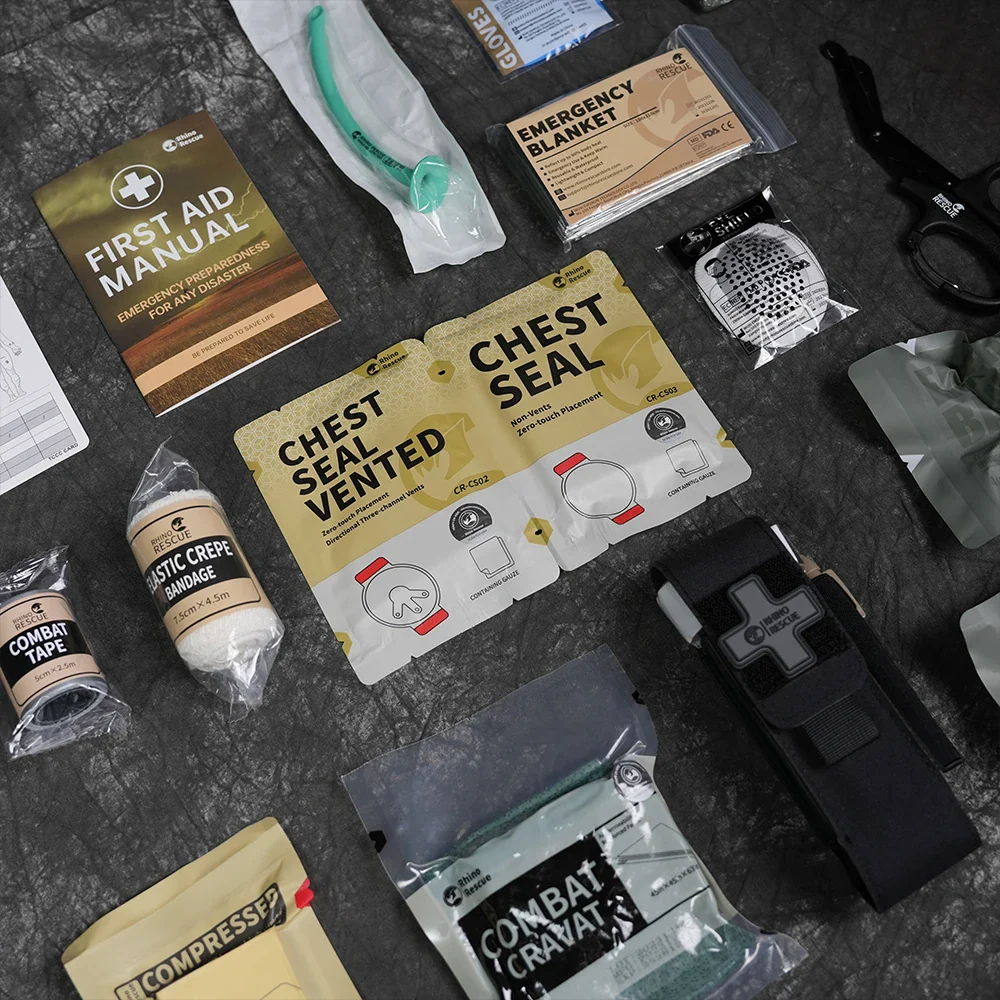
Covering the wound helps prevent irritation and supports recovery.
- Use a clean dressing or bandage
- Replace coverings when they become wet or dirty
- Keep the area dry during daily activities
- Choose breathable materials when possible
Protection is especially helpful for cuts on hands, knees, or other frequently used areas.
Support Natural Healing
Healthy habits can improve the body’s ability to repair damaged skin.
- Drink enough water throughout the day
- Eat balanced meals with fresh foods
- Get enough sleep and rest
- Avoid picking at scabs
- Allow the skin time to recover naturally
Simple daily care often makes a noticeable difference in healing quality.
Watch for Positive Signs of Recovery
Most small cuts improve steadily when cared for properly.
Signs of healthy healing may include:
- Reduced redness over time
- Formation of a dry protective scab
- Less tenderness after a few days
- Gradual closing of the skin
- Comfortable movement around the area
Monitoring progress helps ensure the wound continues improving.
Keep the Surrounding Skin Healthy
The skin around the cut also needs attention during recovery.
- Wash surrounding skin gently
- Avoid harsh chemicals near the wound
- Keep clothing loose if rubbing occurs
- Protect healing skin from excessive dryness
Healthy surrounding skin can improve overall comfort and healing speed.
Avoid Common Mistakes
Certain habits may slow recovery even in small injuries.
- Do not scratch the wound
- Avoid exposing the cut to unnecessary dirt
- Do not remove healing tissue forcefully
- Avoid excessive moisture buildup under coverings
- Do not ignore persistent discomfort
Gentle care is often the best approach for minor cuts.
Know When Extra Attention Is Helpful
Although many cuts heal naturally, some situations may require additional care.
Pay closer attention if:
- Bleeding continues for a long period
- Swelling increases instead of improving
- The wound becomes unusually painful
- Movement becomes difficult
- Healing does not improve after several days
Early attention to changes can support better recovery outcomes.
Handling minor cuts without surgical closure can be simple and effective when proper first aid steps are followed. Cleanliness, protection, hydration, and patience all contribute to smooth healing. With careful daily care and positive habits, small cuts often recover comfortably while allowing the skin to regain its natural strength.